Introduction
Installing an elevator in a commercial building is no longer a luxury — it is infrastructure. Whether it’s an office complex, hospital, mall, or hotel, the right elevator system directly impacts accessibility, operational efficiency, and property value.
However, elevator installation requires technical planning beyond just selecting a lift model.
1️⃣ Building Structure & Shaft Space
The first assessment point is civil readiness:
-
Shaft dimensions
-
Pit depth
-
Overhead clearance
-
Load-bearing capacity
Improper shaft planning leads to redesign costs and installation delays.
2️⃣ Elevator Type Selection
Choose based on usage:
-
Passenger Elevators → Offices, malls
-
Freight Elevators → Warehouses
-
Hospital Elevators → Stretchers & beds
-
Capsule Elevators → Aesthetic spaces
Each has different speed, load, and compliance requirements.
3️⃣ Load Capacity Planning
Capacity depends on footfall and building height.
Typical planning matrix:
-
4–6 passengers → Small offices
-
8–13 passengers → Mid commercial
-
15–20 passengers → High traffic zones
Oversizing increases cost; undersizing creates wait-time issues.
4️⃣ Safety & Compliance
Ensure adherence to:
-
IS standards (India)
-
Fire safety integration
-
Emergency braking systems
-
ARD (Automatic Rescue Device)
Safety compliance affects approval and insurance.
5️⃣ Energy Efficiency
Modern elevators include:
-
VVVF drives
-
Regenerative braking
-
LED cabins
-
Sleep mode systems
These reduce long-term operational cost.
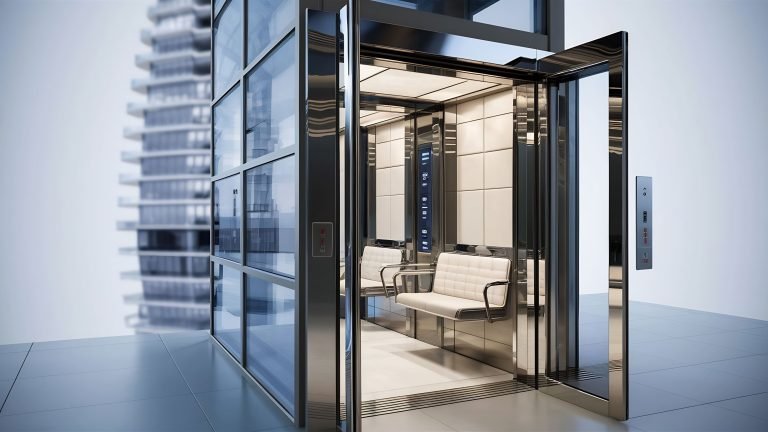
6️⃣ Interior & Aesthetic Design
Commercial spaces often require:
-
Stainless steel cabins
-
Glass panels
-
Designer ceilings
-
Touchless controls
Elevators contribute to brand perception.
7️⃣ Maintenance & AMC Support
Post-installation service is critical.
Check for:
-
Annual Maintenance Contracts
-
Spare availability
-
Response time
-
Remote monitoring
Conclusion
Elevator installation is a structural + mechanical + compliance project. Early planning with an experienced manufacturer ensures safety, performance, and lifecycle cost optimization.