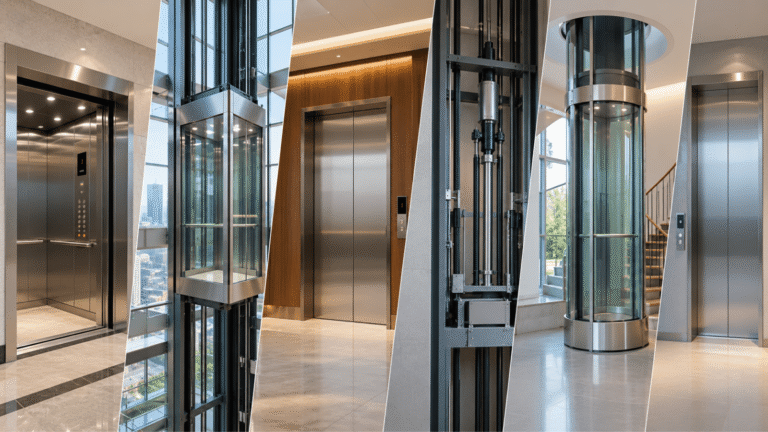
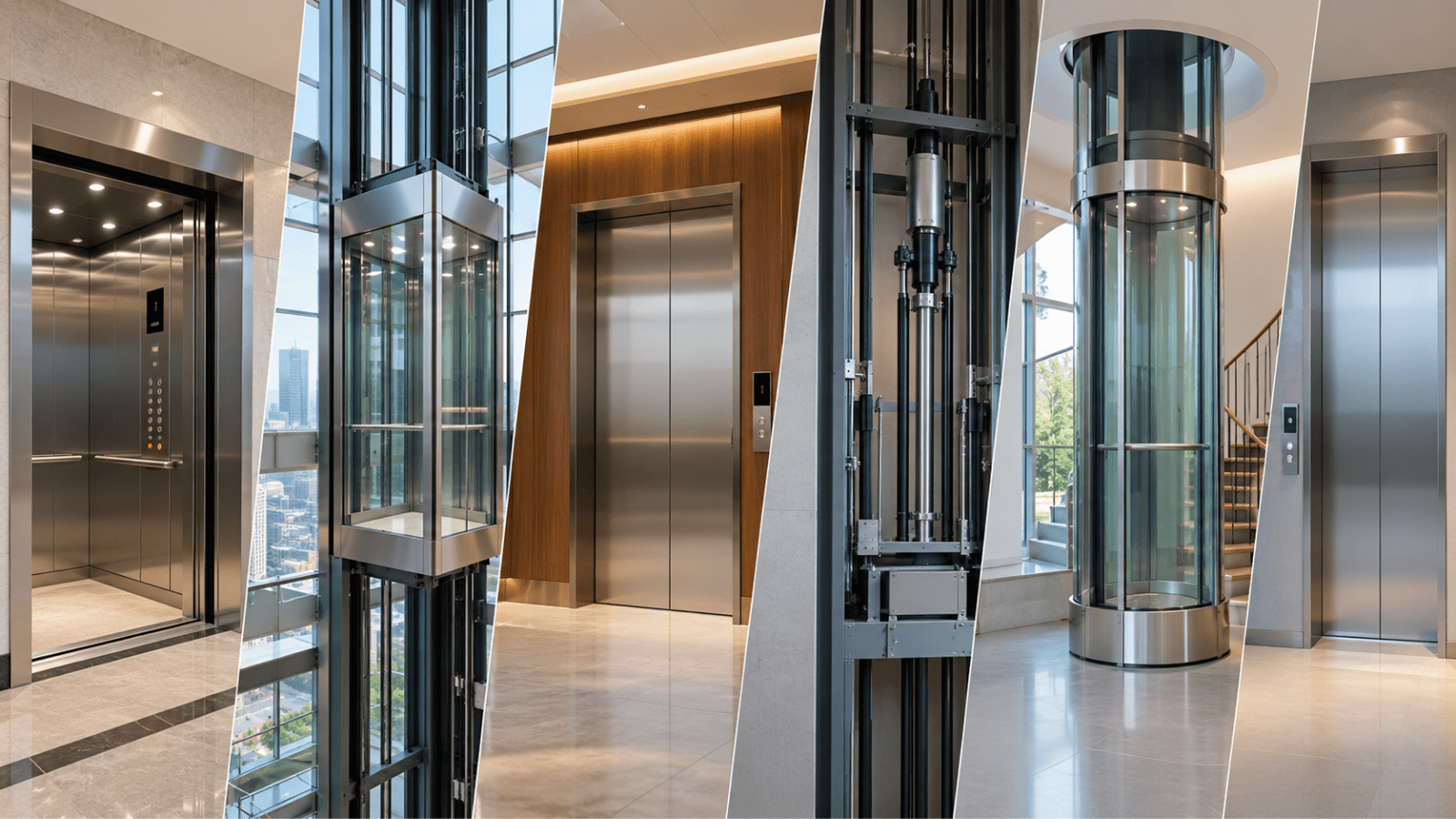
Choosing the right elevator is an important part of building design, safety, accessibility, and long-term facility management. The right passenger elevator should match the building’s height, passenger traffic, available shaft space, required capacity, operating conditions, energy goals, and budget. Selecting technology only on the basis of initial price can lead to higher maintenance requirements, inefficient operation, or inadequate passenger flow.
At Aurum Elevators, we provide elevator solutions and support services designed around individual building requirements. We consider the application, structural conditions, expected usage, and operational needs before recommending a suitable elevator system for residential, commercial, and other projects.
What is a Passenger Elevator?
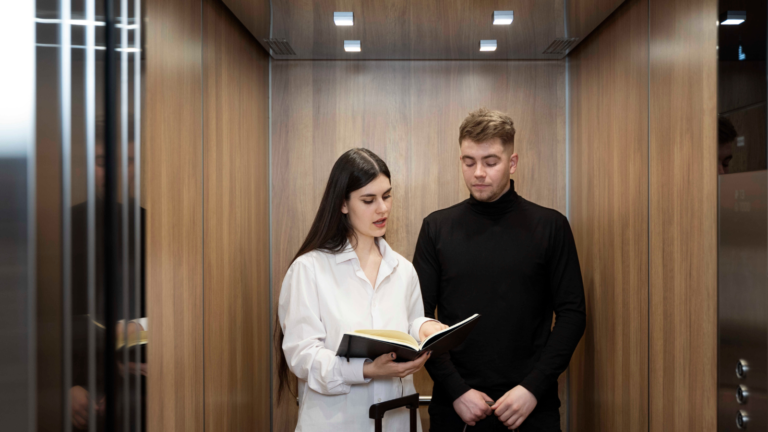
A passenger elevator is a vertical transportation system designed primarily to move people safely and efficiently between different floors of a building. It consists of a passenger cabin, doors, drive system, control equipment, safety mechanisms, and associated shaft infrastructure.
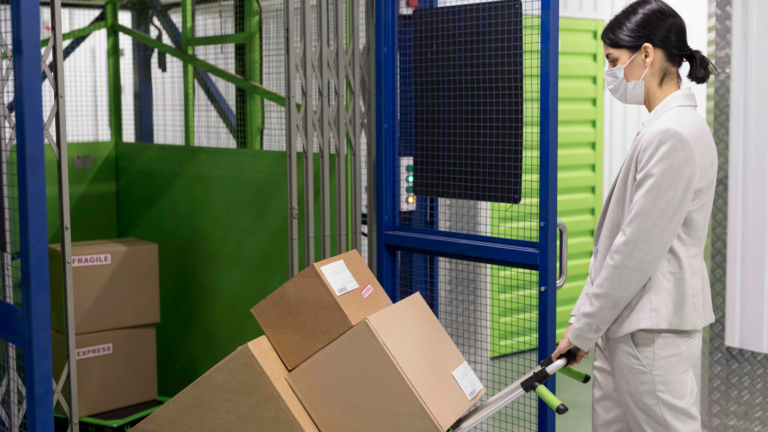
Passenger elevators are different from elevators designed primarily for transporting goods, industrial materials, heavy equipment, or vehicles. While certain passenger elevators can be designed with higher capacities and durable finishes, their fundamental purpose remains comfortable and controlled passenger transportation.
Passenger elevators are commonly installed in:
- Residential apartment buildings
- Commercial offices
- Hotels
- Hospitals and healthcare facilities
- Shopping centres
- Educational institutions
- Mixed-use developments
- Public and institutional buildings
The appropriate elevator depends on the building’s usage. A small residential property may have very different requirements from a busy commercial tower where hundreds of people travel during peak periods.
Different Passenger Elevator Types
Several passenger elevator technologies are available, and each has different operating characteristics, space requirements, performance levels, and applications.
1. Traction Passenger Elevators
Traction elevators use an electric motor, ropes, a traction sheave, a counterweight, and an elevator cabin. The motor rotates the sheave, allowing the ropes to move the cabin and counterweight in opposite directions.
Traction technology is widely used in medium-rise and high-rise buildings because it can provide efficient vertical transportation over greater travel distances. Depending on the design, traction elevators can also provide higher speeds and smooth acceleration and deceleration.
Key advantages include:
- Suitable for frequent passenger traffic
- Smooth and controlled movement
- Suitable for taller buildings
- Flexible capacity and speed options
- Efficient operation when appropriately designed
Traction elevators are frequently considered for residential towers, office buildings, hotels, and other multi-storey developments.
2. Gearless Traction Elevators
Gearless traction elevators use a motor connected directly to the traction sheave rather than relying on a separate gearbox. This configuration can support high-speed operation and is particularly relevant to taller buildings with substantial vertical travel.
Gearless systems can provide excellent ride performance and are often selected where speed, efficiency, and high passenger throughput are important. However, they can involve a greater initial investment and require careful engineering, installation, and maintenance.
For high-rise projects, the elevator design should consider not only maximum speed but also acceleration, deceleration, passenger traffic patterns, floor-to-floor travel, and overall transportation efficiency.
3. Geared Traction Elevators
Geared traction elevators use a gearbox between the motor and traction sheave. The gearbox allows the motor to operate at a suitable speed while controlling the movement of the elevator.
Geared traction systems can be practical for certain low- to mid-rise applications where extremely high speeds are not necessary. Their suitability depends on the building’s travel distance, passenger demand, available space, and project specifications.
They can offer a practical balance between performance and investment for buildings that do not require the characteristics of a high-speed gearless system.
4. Machine-Room-Less (MRL) Passenger Elevators
Machine-room-less elevators place the elevator machinery within the shaft area rather than requiring a separate traditional machine room. This can provide valuable space-saving advantages, particularly in buildings where architectural space is limited.
MRL passenger elevators can be suitable for many residential and commercial buildings. Their advantages may include:
- Better use of building space
- Reduced requirement for a conventional machine room
- Modern equipment configuration
- Flexible architectural planning
- Suitability for various building applications
However, an MRL elevator should still be evaluated according to shaft dimensions, equipment access, load requirements, speed, maintenance considerations, and the overall building design.
5. Hydraulic Passenger Elevators
Hydraulic elevators use hydraulic pressure to move the elevator cabin. A pump transfers hydraulic fluid into a cylinder, causing the piston to move and raise the cabin. The cabin descends through controlled release of hydraulic fluid.
Hydraulic systems can be suitable for low-rise buildings where travel distances and speed requirements are relatively modest. They may be considered for certain residential, commercial, institutional, and specialised applications.
For projects requiring hydraulic technology, working with an experienced hydraulic elevator manufacturer and a reliable hydraulic lift supplier in Ahmedabad can help ensure that the selected system matches the building’s structural and operational requirements.
Hydraulic elevators generally operate at lower speeds than many traction systems, making them less suitable for tall buildings or applications requiring rapid transportation across many floors.
6. Vacuum or Pneumatic Passenger Elevators
Vacuum or pneumatic elevators use air pressure differences to move the elevator cabin through a specially designed vertical tube. Their distinctive configuration can make them attractive for specific architectural and residential applications.
These systems can offer compact installation characteristics and distinctive visual designs. However, they have a more limited application range than conventional traction systems and may not be appropriate for buildings with high passenger volumes, extensive travel requirements, or conventional commercial elevator demands.
How to Choose the Right Passenger Elevator for Your Building
Selecting a passenger elevator should begin with the building rather than with a particular elevator model. A detailed assessment helps determine the technology, capacity, speed, configuration, and features required.
1. Consider the Building Type
The building’s purpose directly affects elevator requirements.
Residential apartments generally require reliable and comfortable transportation throughout the day, with increased traffic during morning and evening periods. Commercial offices can experience significant peak-hour demand. Hotels require smooth operation, convenient access, and passenger comfort. Hospitals may require carefully planned elevator configurations because patients, visitors, staff, and equipment can have different transportation requirements.
Retail buildings and shopping centres often experience concentrated passenger traffic, while educational institutions may experience large traffic peaks around class schedules.
2. Evaluate Building Height
Building height is one of the most important considerations when selecting elevator technology.
Low-rise buildings may have several suitable technologies, depending on capacity and site conditions. Mid-rise buildings frequently use traction-based systems, while high-rise buildings generally require elevator systems engineered for longer travel distances and higher passenger throughput.
As building height increases, factors such as elevator speed, acceleration, travel time, traffic handling, and system efficiency become increasingly important.
3. Calculate Passenger Traffic
Passenger traffic analysis helps determine how many elevators a building needs and what capacity and speed are appropriate.
The assessment should consider:
- Total building occupancy
- Number of floors
- Peak-hour passenger movement
- Expected waiting time
- Traffic between major floors
- Building operating hours
- Number of elevators available
Choosing an elevator solely according to cabin capacity can result in inadequate service if the overall traffic pattern is not considered.
4. Determine Elevator Capacity
Elevator capacity should correspond to the building’s expected occupancy and passenger flow. Cabin dimensions, rated load, frequency of operation, number of floors, and traffic demand all influence the appropriate capacity.
A larger cabin is not automatically the best choice. The objective is to achieve an effective balance between passenger capacity, shaft dimensions, travel requirements, energy consumption, and available building space.
5. Check Available Space
Available space can significantly influence elevator selection. New construction allows elevator shafts and associated infrastructure to be incorporated into the original building design. Renovation projects may have considerably tighter constraints.
Important considerations include shaft dimensions, pit depth, overhead requirements, machine-room requirements, structural conditions, access for installation, and space available for associated equipment.
Where a traditional machine room is difficult to accommodate, an MRL elevator may provide an alternative depending on the engineering requirements.
6. Consider Elevator Speed
Elevator speed should be selected according to building height and passenger traffic rather than simply choosing the fastest available system.
A high-speed elevator may be unnecessary for a small building, while an underpowered or slow system may create excessive waiting and travel times in a busy high-rise property.
The right speed should contribute to efficient transportation while maintaining controlled acceleration, comfortable deceleration, and appropriate ride quality.
7. Compare Energy Efficiency
Energy consumption affects the long-term cost of operating an elevator. Efficient motors, modern drive systems, LED cabin lighting, automatic lighting controls, standby functions, and appropriately sized equipment can contribute to more efficient operation.
The most energy-efficient solution is not necessarily the system with the lowest advertised consumption. Building usage, passenger traffic, operating frequency, elevator capacity, and control strategy should all be considered.
8. Prioritise Safety Features
Safety should remain a central consideration throughout elevator selection, installation, and operation.
Depending on the system and applicable requirements, important safety features may include:
- Emergency alarms
- Door sensors
- Overload protection
- Emergency lighting
- Emergency communication systems
- Automatic rescue systems
- Safety brakes
- Controlled door operation
- Fire-related safety provisions
The selected elevator should be properly engineered, installed, tested, and maintained according to applicable requirements and manufacturer specifications.
Interesting Read: How to Choose the Right Elevator Manufacturing Company for High-Rise Buildings
Passenger Elevator Features to Look For
Modern passenger elevators can include features designed to improve safety, accessibility, convenience, passenger comfort, and operational efficiency.
A practical checklist includes:
- Automatic door operation
- Reliable push-button or touch controls
- Emergency communication
- Overload protection
- Automatic rescue systems
- Energy-efficient cabin lighting
- Smooth acceleration and deceleration
- Accessibility-focused controls and cabin design
- Customisable cabin interiors
- Destination control systems where appropriate
For commercial and high-traffic buildings, destination control can help organise passenger movement by grouping passengers travelling to similar floors. Its usefulness depends on the building’s traffic profile and overall elevator configuration.
Passenger Elevator Comparison: Which Type is Right for You?
Comparing elevator types by building height, passenger traffic, capacity, available space, efficiency, safety, and budget helps us select the most suitable system.
| Elevator Type | Best For | Main Advantage | Key Consideration |
| Traction | Mid- and high-rise buildings | Speed and performance | Requires appropriate shaft and system design |
| Gearless Traction | High-rise buildings | High-speed operation | Higher initial investment |
| Geared Traction | Low- and mid-rise applications | Practical performance | Generally lower speed |
| MRL | Residential and commercial buildings | Space optimisation | Requires careful engineering and planning |
| Hydraulic | Low-rise buildings | Suitable for shorter travel | Generally lower speed |
| Pneumatic/Vacuum | Specialised applications | Compact architectural design | More limited application range |
This comparison provides a starting point, but the final selection should be based on an assessment of the actual building and expected usage.
New Elevator Installation vs. Elevator Modernisation
Choosing between a new elevator and modernisation depends on the building’s condition, traffic needs, existing equipment, safety requirements, performance issues, and long-term operational goals.
When Should You Install a New Elevator?
A new elevator may be appropriate for a new building, building expansion, major redevelopment, or property where existing vertical transportation cannot meet current requirements.
New installation allows the elevator system to be incorporated into the building’s structural and architectural design from the beginning. This can simplify shaft planning, equipment positioning, electrical requirements, and passenger access.
When Should You Consider Modernisation?
Modernisation may be worth considering when an existing elevator experiences frequent breakdowns, outdated controls, increasing maintenance expenses, poor ride quality, obsolete components, or difficulties obtaining replacement parts. Professional lift modernization services can help improve the elevator’s reliability, performance, safety, and overall user experience.
Depending on the elevator’s condition, modernisation may involve controls, drive systems, doors, cabin interiors, safety-related components, or other equipment. A professional assessment can determine whether targeted upgrades or complete replacement is more appropriate.
Why Professional Elevator Installation Matters
Correct elevator installation requires more than positioning equipment inside a shaft. The project should account for structural requirements, shaft dimensions, electrical infrastructure, equipment specifications, access, testing, commissioning, and safety.
Working with an experienced passenger elevator manufacturer and installation team can help ensure that the selected equipment is compatible with the building and installed according to the applicable technical requirements.
A professional process typically includes:
- Site assessment
- Requirement analysis
- Elevator selection
- Technical and structural planning
- Manufacturing or equipment preparation
- Professional installation
- Testing and commissioning
- Safety checks
- Handover and operational guidance
- Ongoing maintenance and support
Choosing a Passenger Elevator Manufacturer
Selecting the right manufacturer or supplier is an important long-term decision. The company should be evaluated on more than product appearance or initial quotation.
When comparing a passenger elevator manufacturer in Ahmedabad, consider:
- Manufacturing capabilities
- Engineering expertise
- Product range
- Installation experience
- Customisation capabilities
- Safety-focused processes
- After-sales support
- Spare parts availability
- Maintenance services
- Technical assistance
- Experience across different building types
For projects across the region, working with established passenger elevator manufacturers in Gujarat, India can also provide practical advantages when site visits, installation coordination, maintenance, or technical assistance are required.
Local passenger lift suppliers in Ahmedabad may provide easier communication and support throughout the project lifecycle. Faster site coordination, accessible technical assistance, spare-part support, and familiarity with regional project requirements can all contribute to smoother project management.
Rather than selecting a company simply because it describes itself as the best passenger elevator manufacturer, building owners and developers should compare measurable capabilities, engineering quality, installation support, service responsiveness, and the suitability of the proposed solution.
Elevator Maintenance and After-Sales Support
An elevator is a long-term building system that requires ongoing attention after installation. Regular maintenance can help identify developing issues, support safe operation, and maintain consistent performance.
Professional elevator maintenance services may include routine inspections, preventive maintenance, component checks, safety-system inspections, adjustment of operating components, breakdown assistance, and replacement of worn or damaged parts.
A reliable support arrangement should also address:
- Routine maintenance
- Preventive inspections
- Emergency assistance
- Breakdown response
- Replacement components
- Technical troubleshooting
- Modernisation requirements
- Long-term service support
The recommended maintenance schedule should follow manufacturer guidance, applicable requirements, elevator usage, and the condition of the equipment.
Why Choose Aurum Elevators?
At Aurum Elevators, we focus on providing elevator solutions and support based on the specific requirements of each building. We understand that residential apartments, commercial offices, hotels, institutions, and other properties can have significantly different vertical transportation needs.
We can support projects through:
- Passenger elevator solutions
- Building-specific recommendations
- Professional installation
- Customisation options
- Safety-focused planning
- Maintenance and technical support
- Residential and commercial applications
- Project-specific elevator configurations
Our approach focuses on selecting an elevator system that aligns with the building’s height, passenger traffic, available space, capacity requirements, operational expectations, and long-term needs.
For developers, building owners, architects, and project teams, choosing an experienced elevator manufacturer company can help simplify the process from initial planning through installation and ongoing support.
Final Thoughts
Choosing among different passenger elevator types requires a complete assessment of the building rather than a simple comparison of equipment prices. Building height, passenger traffic, capacity, available space, speed, energy efficiency, safety requirements, and long-term service needs should all be considered before making a decision.
The right elevator can improve passenger movement, accessibility, comfort, and operational efficiency while supporting the building’s long-term requirements. Whether the project involves a new residential development, commercial property, institutional facility, or an existing building requiring modernisation, professional planning is essential.
Looking for the right passenger elevator for your building? Contact Aurum Elevators or call +91 9824991598 to discuss your project requirements and explore suitable elevator solutions and support services.
Frequently Asked Questions About Passenger Elevator Types
What are the main types of passenger elevators?
The main passenger elevator types include traction, geared traction, gearless traction, machine-room-less (MRL), hydraulic, and pneumatic or vacuum elevators. The right option depends on building height, traffic, capacity, space, performance requirements, and project conditions.
Which passenger elevator is best for a residential building?
MRL and traction elevators can both be suitable for residential buildings. The appropriate choice depends on building height, passenger traffic, shaft dimensions, capacity, speed requirements, available space, budget, and the desired configuration.
Which elevator is suitable for a high-rise building?
Traction and gearless traction systems are commonly considered for high-rise applications because they can support longer travel distances and higher speeds. The final system should be selected through detailed traffic and engineering analysis.
Are MRL elevators suitable for residential buildings?
Yes, MRL elevators can be suitable for many residential applications. Their machine-room-less configuration can help optimise building space. Proper assessment of shaft dimensions, equipment access, capacity, speed, and maintenance requirements remains essential.
How do I choose the right elevator capacity?
Elevator capacity should be based on building occupancy, passenger traffic, number of floors, cabin dimensions, frequency of use, and expected peak demand. A professional traffic assessment can help determine an appropriate capacity and number of elevators.
How often should passenger elevators be maintained?
Maintenance should follow the manufacturer’s recommendations, applicable requirements, and actual building usage. High-traffic elevators may require particularly careful preventive maintenance to support reliable and safe operation.
How much does a passenger elevator cost?
There is no single fixed price for a passenger elevator. Cost can vary according to capacity, speed, number of floors, elevator technology, cabin finishes, shaft requirements, controls, installation conditions, and project-specific specifications.
Why should I choose an experienced passenger elevator manufacturer?
An experienced manufacturer can contribute to appropriate equipment selection, engineering coordination, installation quality, testing, commissioning, maintenance, spare-part support, and long-term technical assistance. These factors are important throughout the elevator’s operating life.