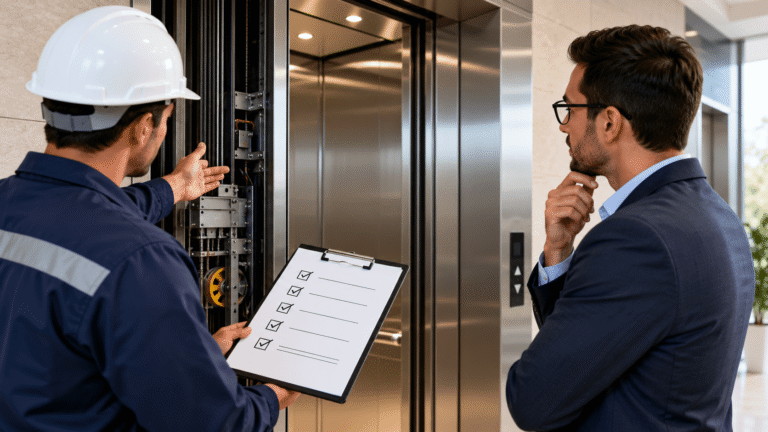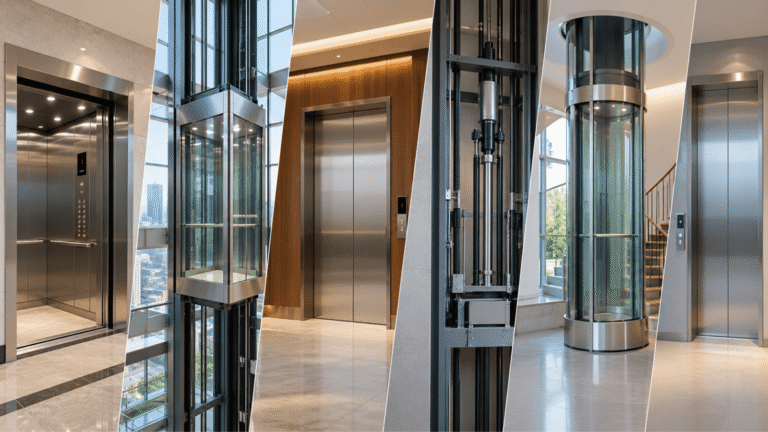
An elevator is an essential part of many residential buildings, commercial spaces, hospitals, hotels, and industrial facilities. Regular maintenance helps keep elevators operating safely, reduces unexpected breakdowns, and supports reliable performance over time. However, choosing the right Annual Maintenance Contract (AMC) requires more than comparing prices.
Before signing an agreement, building owners and facility managers should understand exactly what the contract covers, how quickly technicians will respond to problems, and whether replacement parts and emergency services are included. Choosing the best lift manufacturing company in India can help ensure quality elevator solutions, reliable maintenance support, and long-term performance while minimizing unexpected expenses and keeping your elevator in good working condition.
Whether you manage a residential apartment, an office building, or an industrial facility, asking the right questions before signing an AMC can help you make an informed decision. Here are 15 important questions to ask your elevator maintenance provider.
What is an Elevator AMC?
An Annual Maintenance Contract (AMC) is an agreement between an elevator owner or building manager and a maintenance service provider. It outlines the maintenance work, service frequency, responsibilities, costs, and repair support included during a specified period.
Depending on the agreement, an AMC may cover routine inspections, preventive maintenance, lubrication, adjustments, troubleshooting, and certain repairs. Some contracts include spare parts, while others charge separately for replacements.
Understanding these details before signing helps you choose a contract that meets your building’s operational requirements and budget.
15 Important Questions to Ask Before Signing an Elevator AMC
Understand the maintenance, inspection, repair, and emergency support covered by your elevator AMC to ensure reliable performance, improved safety, and fewer unexpected breakdowns.
1. What Services Are Included in the AMC?
Start by asking for a detailed list of services included in the contract. Routine inspections, preventive maintenance, cleaning, lubrication, electrical checks, and mechanical adjustments may form part of the agreement.
However, coverage varies between providers and contract types. Ask whether the AMC includes only scheduled servicing or also covers breakdown repairs and component replacements.
Request a written scope of work so you know exactly what you are paying for.
2. How Frequently Will the Elevator Be Serviced?
Regular servicing helps identify potential problems before they develop into major failures. However, the ideal maintenance frequency depends on elevator usage, age, design, operating conditions, and manufacturer recommendations.
Ask the provider how many maintenance visits are included each month or year. Also, confirm whether additional inspections can be arranged when required.
A clear maintenance schedule helps building managers plan elevator servicing without unnecessary disruption.
3. Does the AMC Include Emergency Breakdown Support?
An elevator breakdown can inconvenience residents, employees, visitors, and customers. In some situations, it can also create safety concerns.
Ask whether emergency support is available around the clock and whether the service team can respond outside regular working hours, on weekends, and during holidays.
Clarify whether emergency visits are included in the AMC or charged separately. If passengers become trapped, follow the elevator’s emergency communication procedure and contact trained rescue personnel. Never attempt an untrained rescue.
4. What is the Expected Response Time for Service Calls?
Response time is an important factor when comparing elevator maintenance providers. A company may offer emergency assistance, but you should understand how quickly a technician is expected to arrive.
Ask for the expected response time for routine service requests, urgent breakdowns, and passenger entrapment incidents.
Make sure these commitments are documented in the contract. Also, understand the difference between the time taken to acknowledge a complaint, dispatch a technician, arrive on-site, and restore the elevator to service.
5. Are Spare Parts Included in the Contract?
Spare parts can account for a significant portion of elevator repair expenses. Components such as door rollers, sensors, switches, electrical parts, and other mechanical items may require replacement over time.
Ask which spare parts are included and which are excluded. Check whether consumables, lubricants, and minor components are covered.
For major components such as motors, controllers, and door operators, confirm whether replacement costs are included or billed separately. This will help you estimate the potential long-term cost of the agreement.
6. Does the Company Have Experience With My Elevator Model?
Elevators differ in design, technology, capacity, and control systems. A maintenance team should have the appropriate training and technical knowledge to work on your specific equipment.
Ask whether the provider has experience maintaining your elevator’s make and model. If your system uses specialized controllers or proprietary components, confirm that the technicians have access to the necessary technical information and approved parts.
An experienced service provider can help identify recurring problems and recommend suitable maintenance measures.
7. Are the Technicians Qualified and Properly Trained?
The quality of maintenance depends heavily on the people performing the work. Elevator systems involve electrical, mechanical, and safety-related components that require appropriate training.
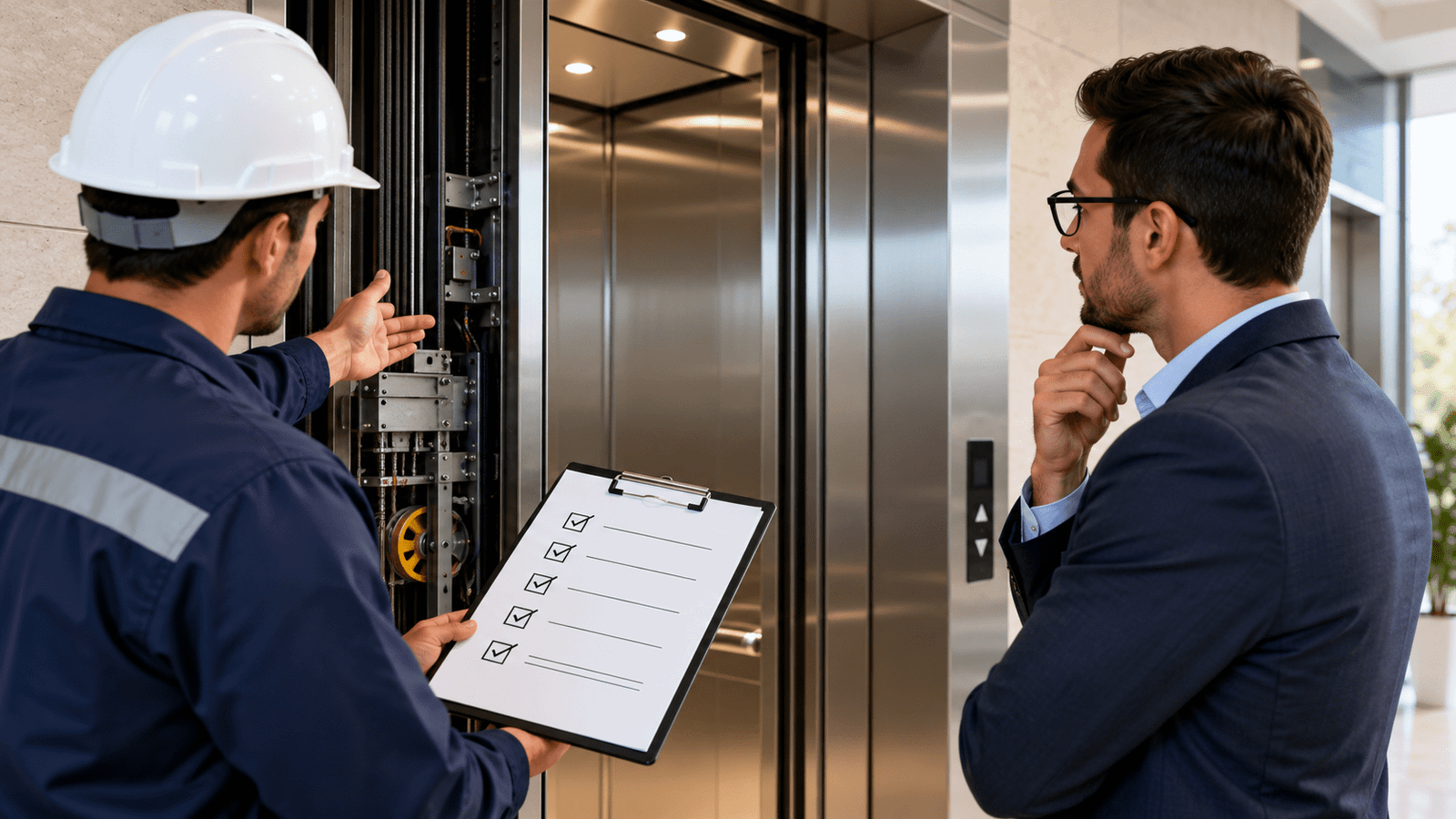
Ask about technician qualifications, safety training, relevant experience, and authorization to work on your equipment. You can also ask how the company supervises maintenance activities and ensures that its technicians follow established procedures.
A professional maintenance provider should be able to explain its approach to technician training and workplace safety.
8. Does the Contract Cover Preventive and Breakdown Maintenance?
Preventive maintenance focuses on identifying and addressing potential issues before they cause failures. Breakdown maintenance takes place after a fault has occurred.
Ask whether your AMC includes both types of service. A contract focused only on repairing faults may not provide enough attention to recurring issues or component wear.
Confirm how preventive maintenance is documented and whether technicians provide recommendations when they identify parts that may need attention.
9. Are Safety Devices Inspected During Maintenance?
Elevator safety devices play an essential role in protecting passengers and ensuring proper operation. Depending on the elevator system, these may include door interlocks, safety circuits, emergency alarms, communication systems, and other protective mechanisms.
Ask which safety-related checks are included in each maintenance visit and how the results are recorded.
You should also confirm whether required inspections and tests under applicable local regulations are included or need to be arranged separately. An AMC does not automatically replace statutory inspections or certifications.
Interesting Read: The Role of Safety Features in Modern Goods Lifts
10. Will I Receive Maintenance Reports After Each Visit?
Maintenance reports help building owners understand the condition of their elevator and track the work completed by the service provider.
Ask whether you will receive a written report after every scheduled visit or breakdown call. The report should ideally document completed tasks, identified faults, replaced components, outstanding issues, and recommended corrective actions.
Keeping these records helps you identify recurring problems, monitor service quality, and plan future maintenance expenses.
11. How Are Repair Costs Beyond the AMC Calculated?
Some elevator problems may require work beyond the services covered by the AMC. Without clear pricing terms, these additional expenses can become difficult to manage.
Ask how extra labor, spare parts, special equipment, and major repairs will be charged. Find out whether the company provides an estimate and obtains your approval before starting chargeable work.
A transparent pricing policy helps prevent misunderstandings and makes it easier to compare different elevator repair services.
12. Does the Company Provide a Service Guarantee?
Ask whether the provider offers any guarantee on completed repairs or replaced parts. If the same issue occurs shortly after a repair, you should know whether another visit or additional work will be chargeable.
Confirm the duration and limitations of any repair warranty. Also, ask whether the guarantee applies to both labor and replacement components.
Written terms help establish clear expectations and provide greater confidence when approving repair work.
13. Can the AMC Be Customized for My Building?
Not every building has the same elevator maintenance requirements. A residential building with moderate usage may have different needs from a hospital, shopping center, hotel, or industrial facility.
Ask whether the AMC can be customized according to elevator usage, operating hours, equipment age, and site conditions.
A suitable contract should provide an appropriate maintenance schedule and clearly define the support required for your building rather than relying on a generic service package.
14. What Are the Contract Renewal and Termination Conditions?
Before signing, carefully review the contract duration, renewal process, payment schedule, and termination conditions.
Ask whether the agreement renews automatically, how much notice is required for cancellation, and whether any early termination charges apply. You should also clarify the process for changing service providers when the contract expires.
Understanding these conditions helps you avoid unexpected commitments and maintain flexibility if your service requirements change.
15. Why Should I Choose Your Company Over Other Providers?
Finally, ask what distinguishes the maintenance provider from its competitors. Consider its technical experience, service coverage, availability of spare parts, emergency response arrangements, documentation practices, and ability to maintain your particular elevator system.
If you are comparing an elevator manufacturing company with an independent maintenance provider, evaluate both options based on their technical capabilities, service terms, and access to suitable replacement components.
Do not make your decision based on price alone. The right provider should offer a clear agreement, dependable support, appropriate technical expertise, and transparent communication.
How to Choose the Right Elevator AMC in India
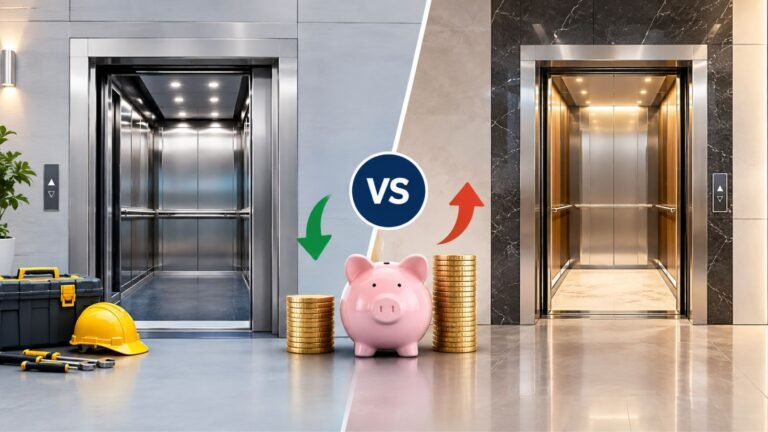
Once you have asked these questions, compare the available contracts carefully. The lowest-priced AMC may not be the most economical option if important services and replacement parts are excluded.
Consider the following factors before making your decision:
- Service coverage: Check the number of scheduled visits and the maintenance tasks included.
- Emergency assistance: Review availability, response commitments, and breakdown support.
- Spare parts policy: Identify included components, exclusions, and additional charges.
- Technical expertise: Verify the provider’s experience with your elevator model.
- Safety procedures: Confirm how inspections, testing, and maintenance records are handled.
- Contract transparency: Review payment terms, repair costs, renewal conditions, and termination clauses.
- Service history: Ask for relevant references or examples of similar installations the company maintains.
Interesting Read: How to Choose the Right Elevator Manufacturing Company for High-Rise Buildings
Why Regular Elevator Maintenance Matters
Regular maintenance helps keep elevators operating reliably and can reduce the likelihood of avoidable breakdowns. It also helps technicians identify wear, detect developing faults, and recommend repairs before certain problems become more serious.
A structured maintenance program can provide several benefits:
- Improved reliability: Routine checks help identify developing mechanical and electrical issues.
- Enhanced passenger safety: Maintenance supports the proper operation of safety-related systems.
- Reduced unexpected downtime: Early identification of faults may help prevent some unplanned stoppages.
- Better cost planning: Maintenance reports help building managers anticipate repairs and replacement needs.
- Longer equipment service life: Appropriate maintenance can help preserve elevator components and performance.
When choosing the best elevator maintenance services, consider the provider’s maintenance plans, scheduled inspections, emergency response times, and service reliability to ensure your building’s elevators remain safe, efficient, and dependable.
The benefits depend on the elevator’s condition, usage, maintenance quality, and timely completion of recommended repairs.
Conclusion
Signing an elevator AMC is an important decision that affects equipment reliability, maintenance expenses, and passenger safety. Asking the right questions helps you understand what the provider promises, what the contract excludes, and how additional repairs will be handled.
Before choosing a provider for lift maintenance in India, compare service coverage, technician expertise, emergency support, spare parts policies, and contract terms. Whether you work with an elevator manufacturing company or an independent service provider, prioritize transparent communication and a maintenance plan suited to your equipment.
For dependable elevator performance, choose a maintenance partner that emphasizes preventive care, timely support, proper documentation, and responsible safety practices. A well-understood AMC can help you manage maintenance more effectively and make informed decisions throughout your elevator’s service life.
Frequently Asked Questions
1. What Is Included in a Standard Elevator AMC?
A standard AMC may include scheduled inspections, preventive maintenance, lubrication, adjustments, troubleshooting, and breakdown support. Spare parts, major repairs, and certain emergency services may be excluded, so always review the written contract.
2. How Much Does an Elevator AMC Cost in India?
The cost depends on elevator type, capacity, age, usage, number of elevators, service frequency, and the level of coverage. Contracts that include spare parts or extensive emergency support may cost more than basic maintenance agreements. Request itemized quotations from multiple providers.
3. How Often Should an Elevator Be Maintained?
Maintenance frequency depends on the elevator’s design, usage, condition, manufacturer recommendations, and applicable requirements. Ask your service provider to recommend a suitable schedule based on the equipment and operating environment.
4. Does an Elevator AMC Cover Major Repairs?
Not always. Major repairs involving motors, controllers, door operators, or other expensive components may be excluded from the agreement. Confirm the exclusions and additional repair charges before signing.
5. How Do I Select a Reliable Elevator Maintenance Company?
Compare technical experience, service availability, emergency response commitments, spare parts access, maintenance reporting, safety practices, and contract transparency. Choose a provider that can demonstrate its ability to maintain your equipment and meet your building’s requirements.