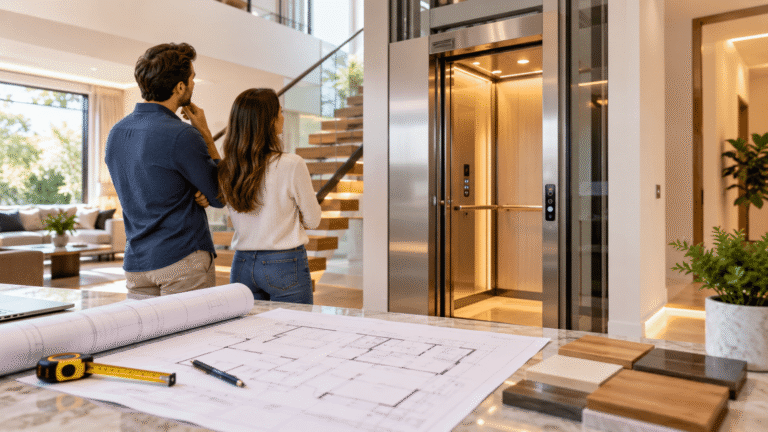
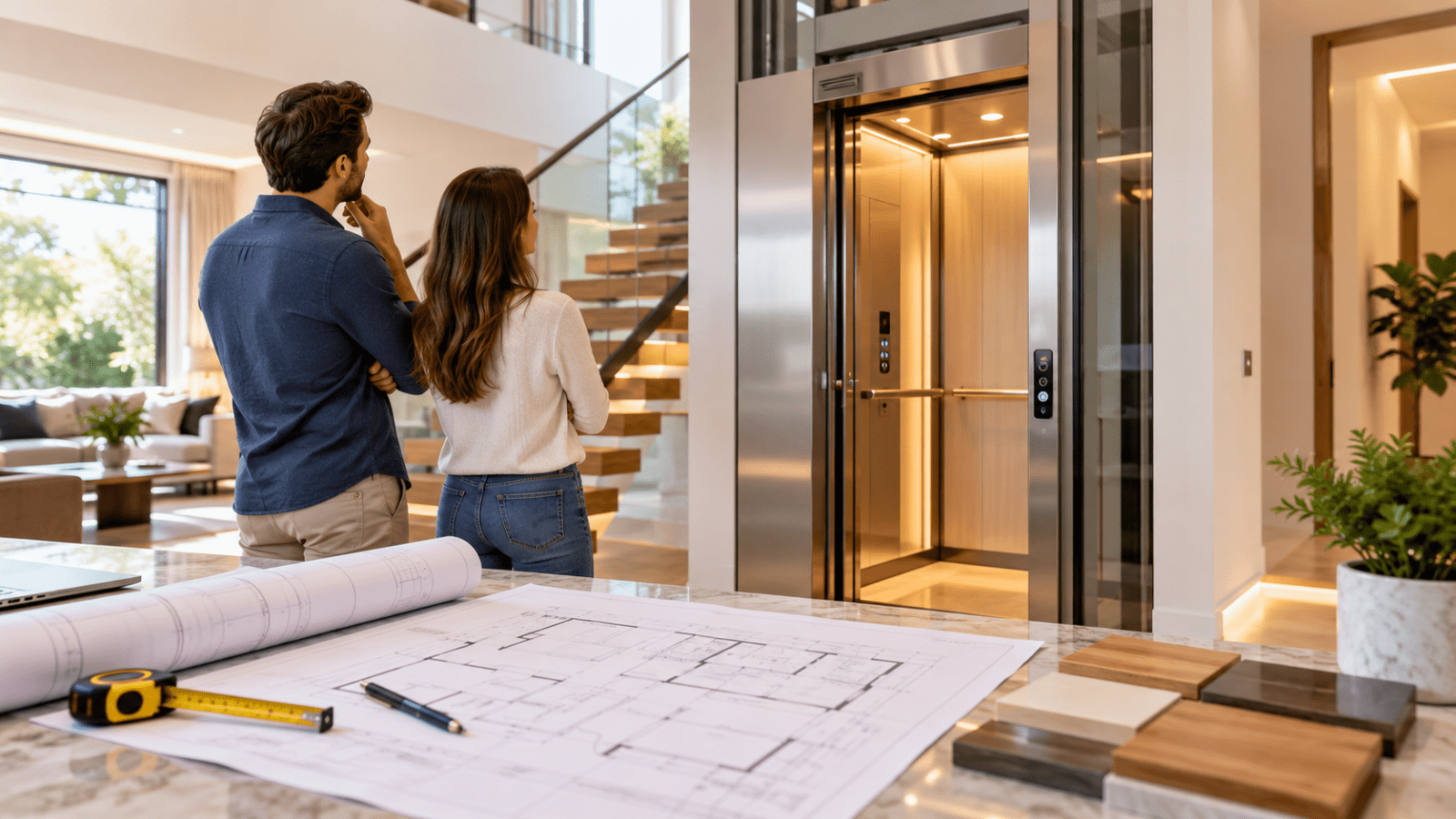
Installing a home elevator can improve accessibility, convenience, and mobility in multi-storey homes. Before choosing a residential lift, homeowners should consider factors such as available space, elevator types, installation requirements, safety features, and overall cost. Understanding these aspects helps you make an informed decision that suits your property’s layout and long-term needs. Choosing a reliable home elevator manufacturer like Aurum Elevators can help you explore suitable solutions for your home.
Aurum Elevators helps homeowners explore residential elevator solutions based on their space, design preferences, and functional requirements. Here are 10 important things to know before installing a home elevator.
1. Understand Your Home Elevator Requirements
Before selecting a residential lift, evaluate how it will be used and which features are most important for your household. A home elevator intended for everyday family use may have different requirements from one designed primarily to support older adults or individuals with mobility limitations.
Start by considering the number of floors the elevator needs to serve, the expected frequency of use, and the available installation space. You should also assess whether the lift needs to accommodate multiple passengers, mobility aids, or other household requirements.
Home elevator requirements generally include:
- Number of floors: Determine how many levels the elevator must connect.
- Load capacity: Choose a suitable capacity based on the expected number of passengers and intended use.
- Available space: Evaluate the area available for the elevator shaft, cabin, and access points.
- Accessibility: Consider cabin entry, door width, control placement, and ease of movement.
- Building structure: Assess whether structural changes are required before installation.
- Electrical requirements: Confirm the power supply and other technical specifications with the installation provider.
Proper residential elevator planning helps homeowners identify a suitable system before construction or renovation work begins. Consulting a professional can also help determine whether the selected elevator meets applicable building regulations and safety requirements.
2. Explore Different Types of Home Elevators
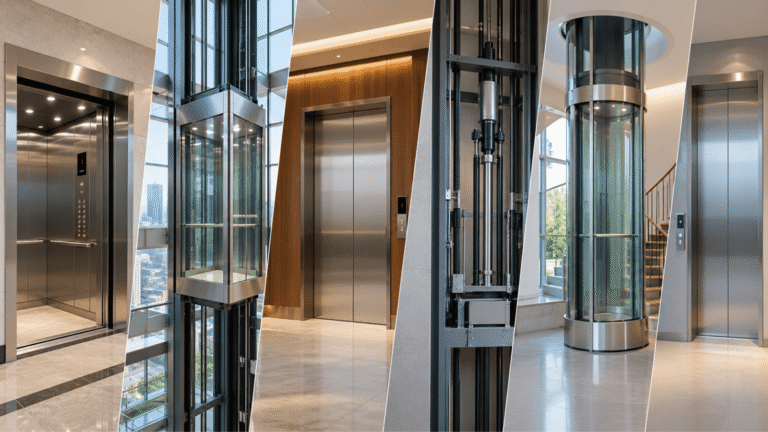
Home elevators are available in several configurations, each offering different operating mechanisms, space requirements, and design possibilities. Understanding the available options can help you select an elevator that fits your property and budget.
Some common types of home elevators include:
1. Hydraulic Home Elevators
Hydraulic elevators use a hydraulic system to move the cabin between floors. They may be suitable for certain residential applications, depending on the building layout, capacity requirements, and installation specifications.
2. Traction Elevators
Traction elevators use a motor-driven system with ropes or belts to move the cabin. Their suitability depends on the building’s height, available space, and the specific system design.
3. Machine-Room-Less Elevators
Machine-room-less elevators are designed to operate without a separate machine room. This configuration may help save space, depending on the equipment and installation requirements.
4. Screw-Driven Home Elevators
Screw-driven elevators use a mechanical screw mechanism to move the cabin. Certain models are designed for residential properties where compact installation and specific building requirements are important considerations.
5. Glass and Panoramic Home Elevators
Glass elevators feature transparent panels that can complement modern interiors and allow natural light to pass through the surrounding space. Their feasibility depends on the structural design, equipment specifications, and safety requirements.
When comparing types of home elevators, consider operating performance, maintenance requirements, cabin capacity, energy consumption, and installation complexity. A reliable home elevator manufacturer can help you compare suitable systems based on your property’s needs rather than choosing solely by appearance or price.
3. Check Home Elevator Dimensions and Available Space
Available space is one of the most important factors when planning a residential lift. Home elevator dimensions vary according to the elevator model, cabin capacity, door configuration, and installation method.
Before finalizing a design, have the proposed installation area measured by a qualified professional. This assessment should consider the following elements:
- Cabin dimensions: The internal cabin size should accommodate the intended passengers comfortably.
- Shaft dimensions: The required shaft space depends on the selected elevator system.
- Door opening: Entry and exit arrangements should support convenient access.
- Pit depth: Some elevator systems require a pit, while others may offer alternative configurations.
- Overhead clearance: The space above the highest landing must meet the equipment’s specifications.
- Structural support: Walls, floors, and other supporting elements may require technical evaluation.
If you are renovating an existing house, space limitations may influence which elevator models are practical. In a new building, including the elevator in the architectural design from the beginning may simplify coordination and reduce the need for later modifications.
Avoid selecting an elevator based on assumed standard dimensions. Request the manufacturer’s technical drawings and confirm all measurements before starting construction work.
4. Calculate the Home Elevator Cost and Budget
The home elevator cost depends on several factors, including the selected technology, cabin size, number of floors, customization, and installation complexity. Therefore, residential elevator costs can vary significantly between properties and elevator models.
Understanding the complete cost before installation helps homeowners plan their investment more effectively.
Important cost factors include:
- Elevator type: Different operating mechanisms and equipment specifications affect the purchase price.
- Number of stops: Elevators serving more floors may require additional equipment and installation work.
- Capacity and dimensions: Larger cabins or higher load capacities can affect the overall budget.
- Civil work: Shaft construction, pit preparation, and structural modifications may add expenses.
- Cabin customization: Glass panels, premium finishes, lighting, and other design choices can influence the price.
- Electrical work: Power supply arrangements and associated electrical modifications may be required.
- Maintenance: Regular servicing and potential replacement parts should be included in long-term budgeting.
When comparing quotations, check whether the price includes transportation, installation, testing, commissioning, and applicable taxes. Ask about warranty coverage and the costs of future maintenance.
Instead of choosing the lowest quotation automatically, compare the equipment specifications, safety provisions, installation scope, and after-sales support. This approach helps you understand the overall value of the proposed solution.
For an accurate estimate, discuss your property’s layout and requirements with Aurum Elevators.
5. Understand the Home Elevator Installation Process
The home elevator installation process involves several stages, from the initial site assessment to final testing. Understanding these steps helps homeowners coordinate construction activities and prepare their property for installation.
Step 1: Site Inspection and Assessment
The installation provider evaluates the building layout, available space, number of floors, and structural conditions. This information helps determine which elevator configurations may be suitable.
Step 2: Elevator Selection and Design
After assessing the site, the provider recommends a suitable elevator based on capacity, dimensions, operating mechanism, and design preferences. Technical drawings and installation requirements should be reviewed before work begins.
Step 3: Civil and Electrical Preparation
Depending on the selected model, the property may require shaft construction, pit preparation, structural modifications, or electrical work. These preparations should follow the approved technical specifications.
Step 4: Equipment Installation
Qualified technicians install the elevator components, cabin, doors, operating mechanisms, and control systems according to the manufacturer’s instructions.
Step 5: Testing and Commissioning
The completed installation undergoes the required checks and tests to verify that the equipment operates correctly and that its safety systems function as intended.
Step 6: Handover and User Guidance
Before regular use, homeowners should receive operating instructions, emergency procedures, warranty information, and maintenance recommendations.
The duration of residential elevator installation depends on the building’s readiness, elevator type, customization, and the amount of civil work involved. Coordinating with an experienced elevator installation service provider can help minimize avoidable delays and installation issues.
6. Prioritize Home Elevator Safety Features
Safety should be a priority when selecting and installing a residential elevator. Homeowners should understand which protective features are included and how the elevator responds to common operating problems.
Depending on the model and applicable standards, important home elevator safety features may include:
- Door interlocks: Help prevent elevator movement when the doors are not properly secured.
- Emergency alarm or communication: Allows occupants to request assistance if they become trapped.
- Emergency rescue provisions: Support safe evacuation procedures during certain equipment or power failures.
- Overload protection: Helps prevent operation when the permitted load is exceeded.
- Obstruction protection: Helps detect obstructions in relevant door systems.
- Backup power provisions: May support selected functions during a power interruption, depending on the system.
- Safety sensors and controls: Help monitor operating conditions and support safe elevator movement.
Homeowners should also ask about the elevator’s applicable safety certifications, inspection requirements, and emergency procedures. The exact requirements depend on the elevator design and relevant local regulations.
Professional installation, appropriate testing, and regular servicing are essential for maintaining safe operation. Do not assume that every elevator includes the same safety features; confirm the available provisions with your manufacturer or installer before making a purchase.
7. Choose a Design That Matches Your Home
A home elevator should complement the property’s interior while meeting everyday functional requirements. Modern residential elevators are available with different cabin finishes, lighting options, door configurations, and exterior designs.
When choosing an elevator, consider the overall appearance of your home and how the lift will fit into the available space.
Some design options include:
- Glass cabins: May suit contemporary homes where visibility and natural light are important.
- Custom cabin finishes: Allow you to coordinate colours, flooring, and materials with the surrounding interiors.
- Lighting options: Can improve cabin visibility and contribute to a comfortable user experience.
- Control panel placement: Should support convenient operation for the intended users.
- Space-conscious designs: May be suitable for properties with limited installation areas, depending on the elevator system.
Aesthetic features should not compromise functionality, accessibility, or safety. Confirm that the selected materials and design options comply with the manufacturer’s specifications.
Discuss customization during the planning stage, as design changes made after installation begins may affect the project schedule and cost. A suitable design should balance appearance, ease of use, and long-term practicality.
8. Select a Reliable Home Elevator Manufacturer and Installer
Choosing the right supplier is an important part of a successful home elevator project. A dependable home elevator manufacturer should provide clear product information, appropriate technical guidance, and support throughout the installation and ownership process.
Before making your decision, evaluate the following factors:
1. Product Quality and Specifications
Review the elevator’s capacity, dimensions, operating mechanism, safety features, and applicable certifications. Ensure that the proposed equipment meets your property’s requirements.
2. Installation Experience
Ask about the provider’s experience with residential projects and its approach to site assessment, installation, testing, and commissioning.
3. Customization Options
Check whether the manufacturer offers configurations that suit your building layout, interior design, and accessibility requirements.
4. Warranty and After-Sales Support
Understand the warranty terms, service coverage, availability of spare parts, and procedure for reporting technical issues.
5. Maintenance and Repair Assistance
Confirm whether qualified technicians are available to provide routine servicing and respond to equipment faults when required.
Homeowners comparing a home elevator manufacturer should evaluate more than the initial quotation. Product suitability, installation quality, safety provisions, and ongoing technical support all contribute to the ownership experience.
If you are evaluating a home elevator company in India, consider its ability to address your specific project requirements and provide clear information about the proposed system.
Aurum Elevators is a brand homeowners can contact to discuss residential elevator requirements, explore suitable options, and understand the considerations involved in planning an installation.
For homeowners seeking an elevator manufacturer in India, Gujarat, reviewing product specifications and service arrangements can help support an informed decision.
9. Plan for Regular Maintenance and Future Repairs
Like other mechanical systems, a residential elevator requires appropriate maintenance to support reliable operation. Routine servicing can help identify wear, detect developing faults, and maintain the performance of important components.
Before installation, ask the provider about its recommended maintenance schedule and the services available after commissioning.
Important maintenance considerations include:
- Scheduled inspections: Arrange servicing according to the manufacturer’s recommendations and applicable requirements.
- Door and sensor checks: Ensure that relevant safety mechanisms are inspected by qualified technicians.
- Mechanical and electrical checks: Have the appropriate components examined according to the maintenance plan.
- Fault reporting: Contact a qualified service provider if the elevator behaves unusually or displays an error.
- Spare-parts availability: Understand how replacement components are sourced and supplied.
- Emergency support: Confirm the process for obtaining assistance if the elevator stops operating.
Professional lift maintenance services can help keep equipment in suitable operating condition. If a fault occurs, elevator repair services should be provided by qualified technicians who can identify the underlying problem and carry out appropriate repairs.
Homeowners should also consider future upgrades. Elevator modernization solutions may be relevant when older equipment requires improvements to its controls, operating components, or selected safety systems. The feasibility of modernization depends on the existing installation, equipment condition, and applicable requirements.
10. Consider Long-Term Accessibility and Property Needs
Installing a home elevator is a long-term decision that should account for how your household’s needs may change over time. Although many homeowners initially consider an elevator for convenience, it can also support accessibility and easier movement between floors.
Here are several long-term considerations to evaluate.
1. Support for Ageing in Place
An appropriately selected elevator may help older adults continue using different levels of their home more comfortably as their mobility needs change.
2. Improved Accessibility
A suitable cabin and entry arrangement may help individuals with limited mobility move between floors. Specific accessibility needs should be assessed before choosing the equipment.
3. Everyday Convenience
A residential lift can reduce the effort involved in moving between floors, particularly in multi-storey homes where stairs are used frequently.
4. Operating and Maintenance Expenses
Consider electricity consumption, regular servicing, potential repairs, and replacement parts when assessing the long-term cost of ownership.
5. Future Household Requirements
Think about how the home’s layout and intended use may change. Choosing a system that suits both current and foreseeable needs can help avoid unnecessary modifications later.
6. Property Appeal
A home elevator may appeal to certain buyers, particularly those who value accessibility and convenience. However, its impact on resale value depends on the local property market, the quality of installation, maintenance history, and buyer preferences.
Careful residential elevator planning helps ensure that the selected system remains practical for your household over the years. Consider functionality, safety, operating expenses, and future support alongside the initial purchase price.
Plan Your Home Elevator Installation with Aurum Elevators
Installing a home elevator requires more than selecting a model and arranging delivery. Homeowners should evaluate the building structure, available dimensions, elevator type, total cost, safety features, and long-term maintenance requirements before proceeding.
Aurum Elevators can be a starting point for homeowners who want to discuss their residential elevator requirements and explore options based on their home’s layout, design preferences, and budget.
Whether you are planning a new home or considering an upgrade to an existing property, make an informed decision by reviewing the technical specifications, installation scope, and after-sales support before committing to a system.
Contact Aurum Elevators to discuss your home elevator requirements and take the next step towards a convenient, accessible, and thoughtfully planned residential lift solution.
Frequently Asked Questions
1. What should homeowners consider before installing a home elevator?
Homeowners should consider the available space, number of floors, cabin capacity, elevator type, installation requirements, total cost, safety features, and maintenance arrangements. A professional site assessment helps identify suitable options for the property.
2. How much does a residential home elevator cost?
Residential elevator cost depends on the elevator type, number of stops, cabin dimensions, customization, civil work, and installation requirements. Request a detailed quotation based on your property layout to understand the expected investment.
3. What are the different types of home elevators?
Common options include hydraulic, traction, machine-room-less, and screw-driven elevators. Glass and panoramic designs are also available in certain configurations. The right option depends on the building structure, available space, budget, and intended use.
4. How much space is required for a home elevator?
Space requirements vary by elevator model, cabin capacity, shaft dimensions, pit depth, and overhead clearance. A qualified professional should measure the proposed installation area and confirm the manufacturer’s technical specifications before construction begins.
5. How long does residential elevator installation take?
The installation timeline depends on the elevator model, site readiness, customization, and the amount of civil or electrical work required. The installation provider can give a more accurate estimate after assessing the property and finalizing the equipment specifications.
6. Which safety features should a home elevator include?
Depending on the model and applicable standards, important features may include door interlocks, emergency communication, overload protection, appropriate rescue provisions, and safety sensors. Homeowners should confirm the included features and emergency procedures before installation.
7. Can a home elevator be installed in an existing house?
Yes, certain home elevators can be installed in existing properties, subject to available space, structural suitability, and technical requirements. A site assessment helps determine whether modifications are necessary and which configurations may be appropriate.
8. How often does a residential elevator need maintenance?
Maintenance frequency depends on the elevator model, usage, manufacturer recommendations, and applicable regulations. Follow the prescribed service schedule and arrange inspections or repairs through qualified technicians.
9. How do I choose a reliable home elevator manufacturer in Ahmedabad?
Compare product specifications, installation experience, safety provisions, customization options, warranty terms, spare-parts availability, and after-sales support. Request a site assessment and a detailed quotation before selecting a provider.
10. What maintenance and repair services are required after installation?
Depending on the elevator system, maintenance may include inspecting mechanical and electrical components, checking doors and sensors, testing relevant safety systems, and addressing wear or faults. Follow the manufacturer’s service plan and use qualified technicians for repairs.